

Labels
Sometimes come in kit, but can be purchased individually or create custom labels yourself!
Starter Equipment Guide
Wondering what equipment you need to start? We’ve prepared a handy guide and checklist of suggested items to get you going.
First Timers' Guide





Primary Fermenter
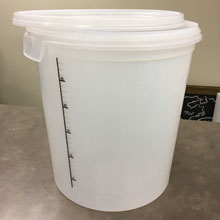
Food grade plastic vessel and lid with at least 18 more litres (5 gallons) of capacity than your kit makes. This will allow fermentation bubbling and foaming to happen without spilling over.
Carboy

Glass or plastic narrow-necked container. A typical wine kit requires a 23 litre (6 gallon) carboy.
Thermometer

Used to monitor the temperature during the winemaking process.
Air Lock/Fermentation Lock
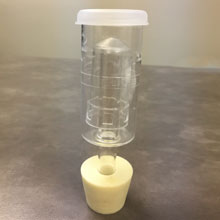
Designed to prevent bacteria and oxygen from getting into your wine, while allowing the produced carbon dioxide gas to escape.
Bored Stopper
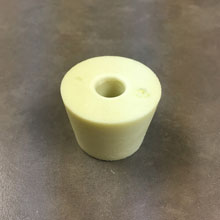
Holds the airlock/fermentation lock in place (AKA - bung with hole).
Mixing Spoon or Paddle

A winemaking specific food grade plastic stirring utensil long enough to reach the bottom of the primary fermenter.
Wine Thief
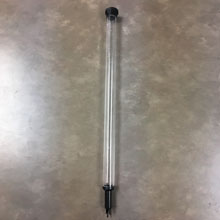
Used to take samples from the primary fermenter and carboy.
Hydrometer
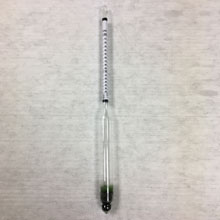
Instrument used to measure the amount of sugar using Specific Gravity (S.G.) to monitor fermentation progress. Click here for more information about hydrometers and S.G. readings.
Degassing Wand
(Optional, but recommended)
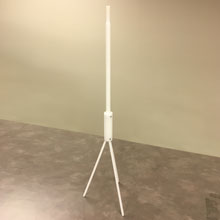
A tool used to remove the carbon dioxide gas from wine. This is the most effective, quickest and easiest way to degas wine. Attaches to a power drill.
Siphon Hose & Racking Tube
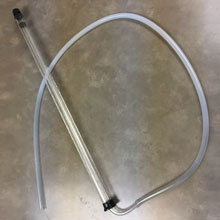
Used to transfer wine from one container to another while leaving sediment behind.
Solid Bung
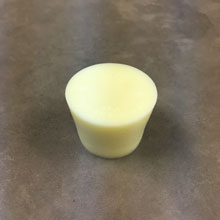
Fits into carboy to prevent oxygen and spoilage organisms from entering wine. Only use once wine is degassed.
Bottle Filler
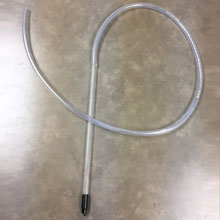
Tool to automatically dispense liquid when inserted into a bottle and stops liquid flow upon removal.
Bottles

Regular wine kits that produce 23 litres (6 gallons) will require approximately 30 750ml bottles.
Corks

Use new corks each time for a proper seal.